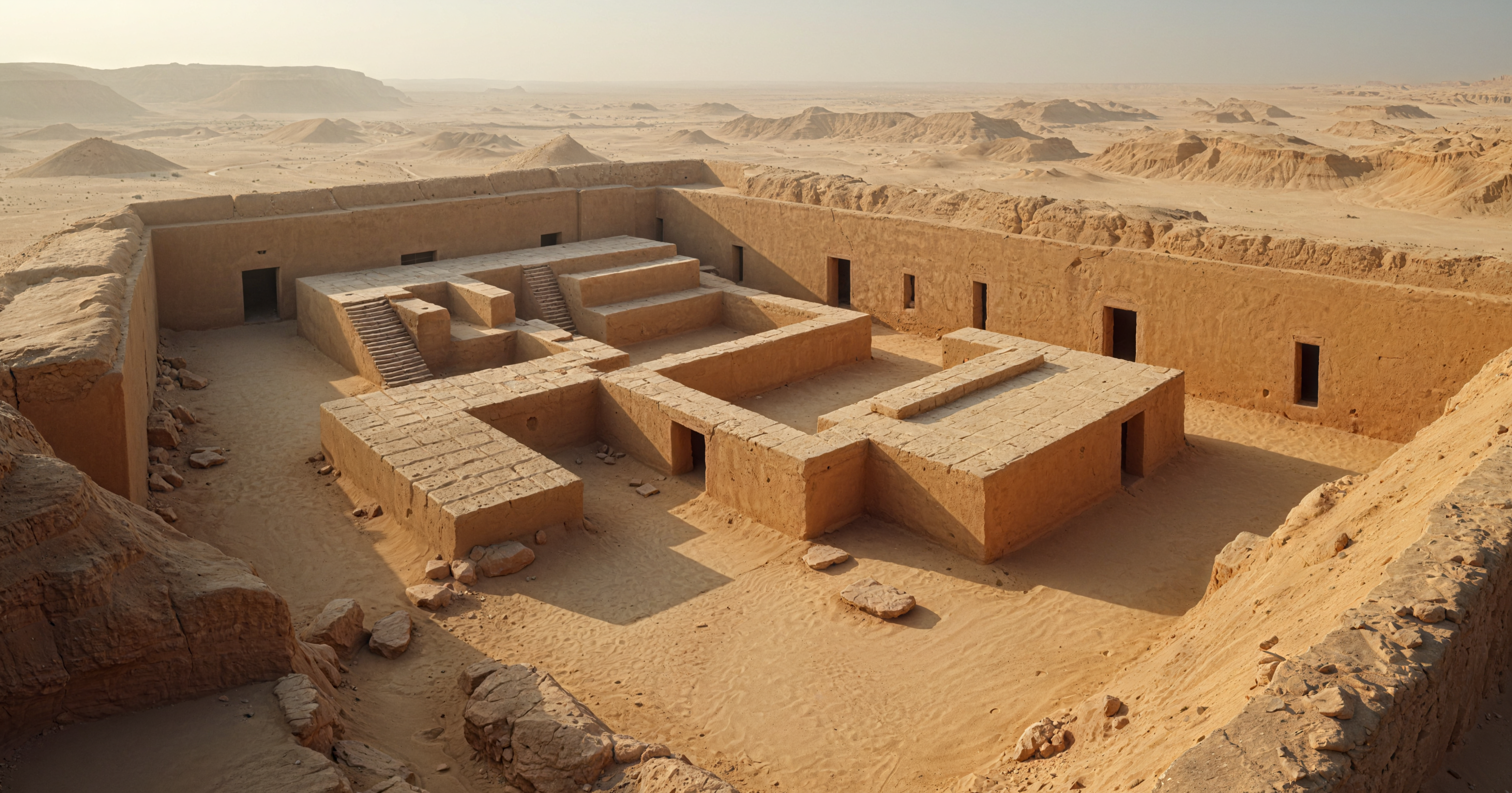
Discovery of a 4,500-Year-Old Sumerian Palace at Girsu
The excavation of the 4,500-year-old Sumerian palace at Girsu (modern-day Tello, southern Iraq) is part of the Girsu Project, initiated in 2015. This collaborative effort involves the British Museum, the State Board of Antiquities and Heritage (SBAH) of Iraq, and the Getty.
British Museum
Funding and Duration
The project received a significant grant from the Getty in January 2021, enabling an initial three-year period of activity. This funding supports interdisciplinary archaeological research, training, conservation, and heritage management at Girsu.
British Museum
Organizers and Participants
The Girsu Project is led by the British Museum, with Dr. Sebastien Rey serving as the Project Director and Curator for Ancient Mesopotamia. The State Board of Antiquities and Heritage (SBAH) of Iraq is a key partner, contributing Iraqi archaeologists and conservators to the initiative. The Getty provides financial support and collaborates on heritage preservation strategies.
British Museum
Location
The excavation site is in the ancient city of Girsu, known today as Tello, situated in the Dhi Qar Governorate of southern Iraq. Girsu was a prominent city in the Sumerian civilization, serving as a political and religious center during the third millennium BCE.
Heritage Daily
Through this collaborative effort, the Girsu Project aims to reinterpret the ancient city via new fieldwork, re-examine previous discoveries, and provide training to Iraqi professionals, thereby contributing to the preservation and understanding of Iraq’s rich cultural heritage.
British Museum
- Era 4500 bc
-
Organisers and Participants
The Girsu Project is led by the British Museum, with Dr. Sebastien Rey serving as the Project Director and Curator for Ancient Mesopotamia. The State Board of Antiquities and Heritage (SBAH) of Iraq is a key partner, contributing Iraqi archaeologists and conservators to the initiative. The Getty provides financial support and collaborates on heritage preservation strategies.

Related Events