The Roswell Incident (Occurred 1947, Publicised 1978)
- Location: Roswell, New Mexico, USA.
- Findings: Initially reported as a “flying disc” crash, later explained as a weather balloon by the U.S. military. The incident remains shrouded in speculation, with no definitive physical evidence linked to extraterrestrial origin.
The Roswell Incident: A Turning Point in UFO Lore
In July 1947, the quiet desert town of Roswell, New Mexico, became the epicenter of one of the most enduring mysteries of the 20th century. The Roswell Incident, as it came to be known, began when rancher W.W. “Mac” Brazel discovered unusual debris scattered across his property following a thunderstorm. The material reportedly included metallic fragments, foil-like substances, and sticks. Brazel brought some of the debris to local authorities, setting off a series of events that would captivate public imagination for decades.
On July 8, 1947, the Roswell Army Air Field (RAAF) issued a press release stating that they had recovered a “flying disc.” This announcement sparked immediate excitement and speculation about extraterrestrial visitors. However, within hours, the military retracted its statement, explaining that the recovered debris was actually from a downed weather balloon, part of a classified program known as “Project Mogul.” This swift reversal fueled public suspicion and laid the groundwork for conspiracy theories to flourish.
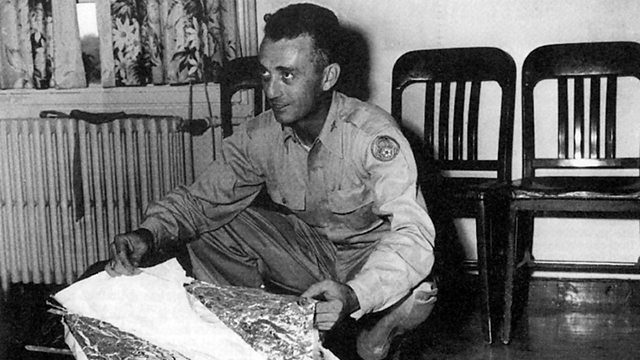
The incident might have faded into obscurity were it not for renewed interest in the late 1970s. In 1978, retired Major Jesse Marcel, who had been involved in the recovery of the debris, claimed in an interview that the material was not of earthly origin. His account reignited interest in the Roswell Incident and spurred a wave of books, documentaries, and investigations that transformed it into a cornerstone of UFO folklore.
One of the key points of contention is the nature of the debris itself. Witnesses described materials that were lightweight, metallic, and seemingly indestructible, leading some to believe they were part of an alien spacecraft. Photographs taken at the time, however, show what appears to be ordinary weather balloon debris, including rubber, foil, and sticks. Skeptics argue that these descriptions and interpretations have been exaggerated over time, while UFO enthusiasts see them as evidence of a government cover-up.
The U.S. Air Force later released official reports in the 1990s to address lingering questions. These reports reiterated that the debris was from Project Mogul and attributed subsequent claims of alien bodies to misidentified crash test dummies used in high-altitude experiments. Despite these explanations, the Roswell Incident remains a flashpoint for debates about the existence of extraterrestrial life and government transparency.
Today, Roswell has embraced its reputation as the UFO capital of the world. The city hosts an annual UFO Festival and features the International UFO Museum and Research Center, attracting visitors from around the globe. For many, the Roswell Incident represents more than just a historical mystery; it is a symbol of humanity’s fascination with the unknown and our enduring quest to understand our place in the universe.
While no definitive evidence has emerged to confirm the presence of extraterrestrials in Roswell, the incident continues to inspire speculation and intrigue. Whether viewed as a case of mistaken identity, a genuine cover-up, or something more extraordinary, the Roswell Incident remains a cultural touchstone, keeping the question of life beyond Earth firmly in the public imagination.

Related Events