The Elymians, having settled nearby, are adapting their technologies and philosophies to coexist with Earth's species



The Elymians, having settled nearby, are adapting their technologies and philosophies to coexist with Earth's species
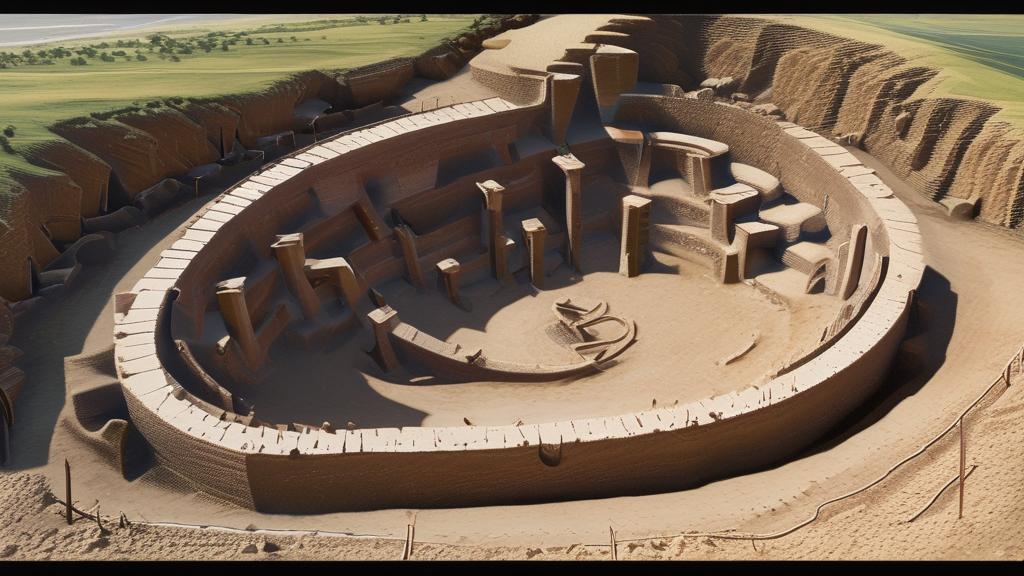
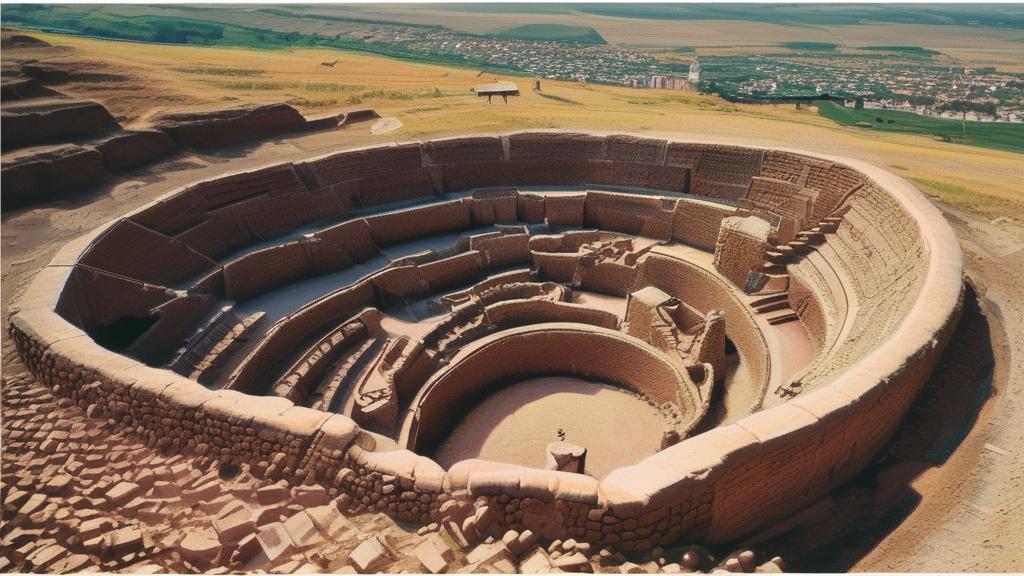
Kaelor, Lyra, and a group of Neanderthal leaders, including Braka and Mira, stand before a clearing. Lyra’s bio-organic tablet displays a 3D projection of a structure composed of concentric circles of massive stone pillars. Kaelor looks concerned, while Lyra exudes excitement.
Lyra: (gesturing to the projection) “This is more than just a structure. It is a symbol—a way to anchor their shared stories in the earth itself. We can teach them how to build it.”
Kaelor: (frowning) “And what happens when they depend on us too much? When they lose their ability to create without influence? We vowed to observe, Lyra, not to lead.”
Braka: (scrutinizing the projection) “You say this will honor the spirits of the land? And the Great Cycle?”
Lyra: (kneeling, looking into Braka’s eyes) “Yes, Elder. Each pillar will face the heavens, and the carvings will tell the story of the animals and the stars. It will honor your people’s connection to all things.”
Mira tugs at Braka’s hand, her voice trembling with awe.
Mira: “Grandfather, it’s beautiful. The spirits would approve, wouldn’t they?”
Braka looks into the distance, his face thoughtful. Finally, he nods.
Braka: “The earth will bear witness. But it must be our hands that shape it.”
Kaelor steps forward, placing a hand on Braka’s shoulder.
Kaelor: “And it will be. We will guide, not command. The stories will be yours to tell, the symbols yours to carve.”
Building Göbekli Tepe
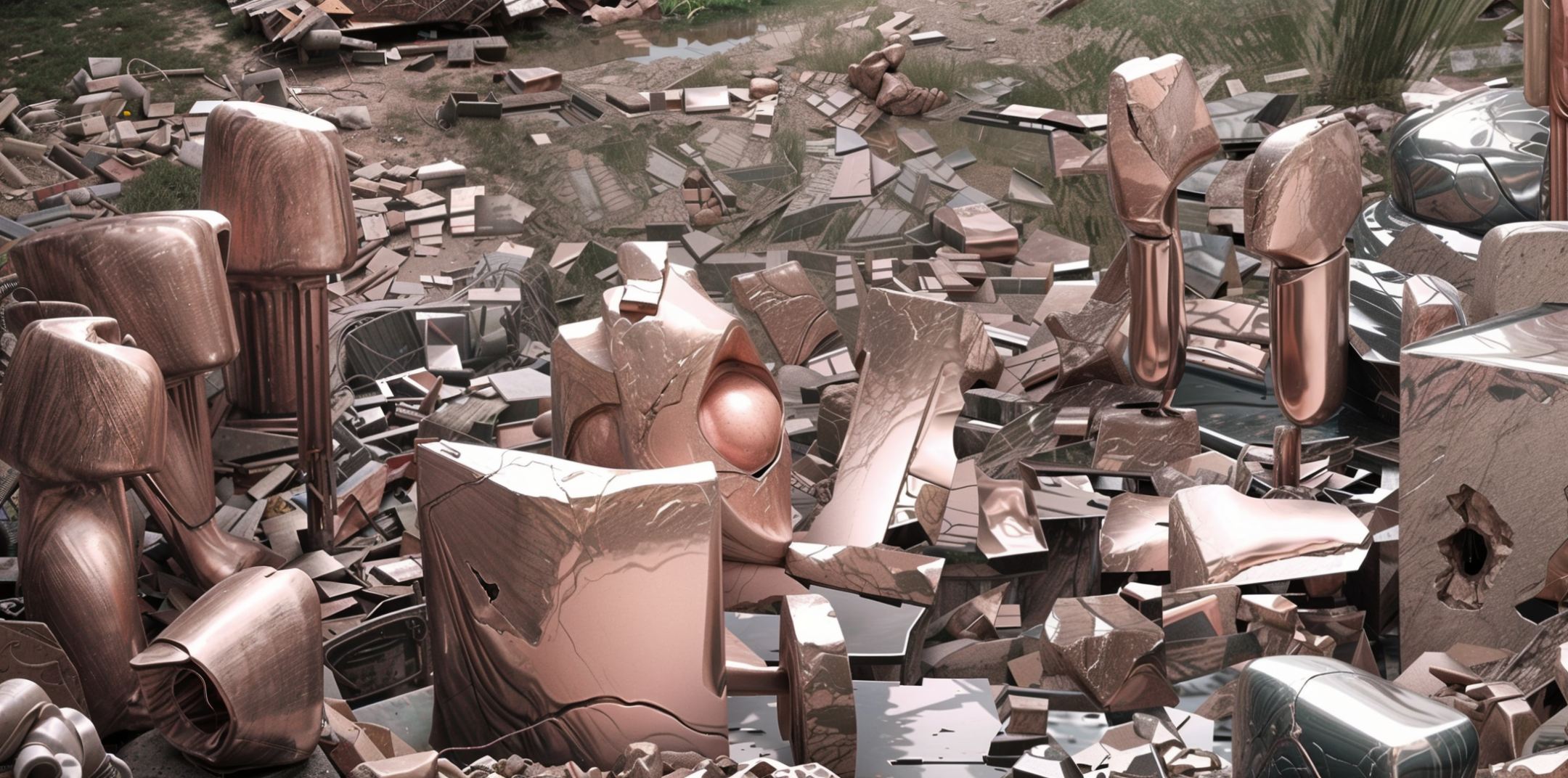
"The site awoke something within these early humans. The standing remnants of the ship—dark, smooth, and otherworldly—resembled the Elymian shard designs passed down through countless generations. They saw these shapes as divine, their existence proof of gods or ancestors who had come from the sky.
Driven by reverence and guided by ancestral memory, the people began to work. Using the tools and techniques of their time, they unearthed the ship’s remnants and arranged them in concentric circles, mimicking their original positions as closely as they could. Where gaps remained, they carved limestone pillars to match the organic forms of the alien structures. The carvings on these pillars depicted not only animals and symbols of their environment but also patterns resembling the Elymian shard—spirals, intersecting lines, and shapes that held meanings long forgotten.
The blackened remnants of the ship, too alien to work directly, were left in place, integrated into the design. The people of Göbekli Tepe believed these shapes carried the essence of the beings who had once walked among them, their creators or distant ancestors. To them, the site became a bridge between the Earth and the heavens, a place where the stories of the stars could be remembered and honoured..."