CrossFit
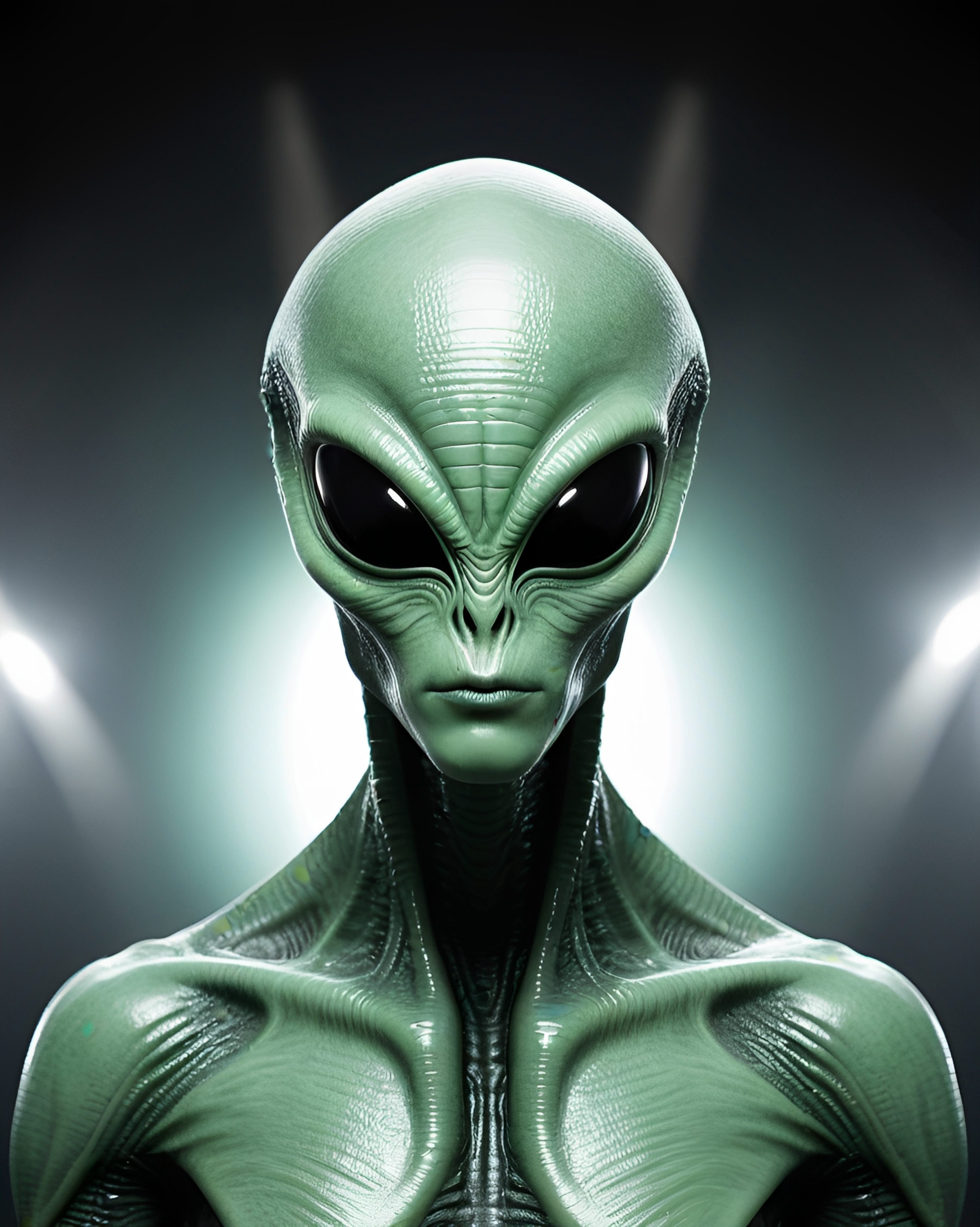
The Real History Behind The Elymians: The Fractured Veil
Göbekli Tepe, Karahan Tepe, Sci-Fi Inspiration, Ancient Civilisations, The Elymians, Resonance Technology

Ebook and Paperback Available on Amazon
Own this on Paperback, Hardback out soon.

Göbekli Tepe – The World’s First Temple?
Göbekli Tepe is widely considered the oldest monumental structure in human history—a full 7,000 years older than the Pyramids. Built by pre-agricultural societies, it features:
- Massive T-shaped pillars (some up to 6 metres tall)
- Circular enclosures with symbolic animal carvings
- No signs of daily domestic life—suggesting it was spiritual or ceremonial
These mysterious pillars face inward, arranged like a gathering. In our novel, this forms the blueprint for resonance-based technology—devices activated by sound, symbol, and memory.
Discovered: 1994
Located in: Southeastern Turkey
Dated to: ~9600 BCE
The Real Resonance of Stone
What inspired the concept of “resonance technology”? Well, archaeologists have tested some of Göbekli Tepe’s pillars and found they resonate when struck—producing low-frequency tones in the 70–120 Hz range. This is the same frequency range used in sound-induced trance states.
In The Fractured Veil, this acoustic mystery becomes a key mechanism for unlocking visions, stored ancestral memory, and alien consciousness.
Pillar 18
Karahan Tepe – Göbekli’s Forgotten Sister
Karahan Tepe is part of the “Taş Tepeler” region (Stone Hills), located about 46 km east of Göbekli Tepe. Like its more famous sibling, it features:
- T-pillars and animal carvings
- A large humanoid statue—possibly one of the oldest realistic human forms
- Subterranean architecture that hints at deeper ritual use
In the Elymians universe, Karahan Tepe becomes the mirror site—the “backend server” of the Whispering Web. It’s where the more dangerous or esoteric technologies were hidden.
Discovered: 1997
Excavation Began: 2019
Key Finds: 2.3-metre humanoid statue, vulture sculpture, underground chambers
Fiction Rooted in Reality
Many of the story’s most surreal moments—genetic resonance, sound-triggered visions, and memory-encoded glyphs—are built on questions archaeologists still can’t answer:
- Why did hunter-gatherers build such complex structures before agriculture?
- What do the animals and abstract carvings really mean?
- Why was Göbekli Tepe intentionally buried around 8000 BCE?
By weaving fiction into these historical voids, we don’t overwrite history—we amplify its wonder.
A fictionalised illustration blending Göbekli Tepe with alien glyphs/light
The Elymian Hypothesis: A Storyworld Theory
In The Fractured Veil, we suggest:
- Ancient humans didn’t invent consciousness alone—they interfaced with it
- Göbekli Tepe was part of a global resonance grid seeded by the Elymians
- Karahan Tepe housed the fail-safes—the warnings buried in stone
Humanity’s transformation wasn’t random—it was intervention
Whether you’re a sci-fi reader, an ancient history buff, or both—The Elymians: The Fractured Veil offers a speculative window into what might lie beneath the myths and the ruins. The deeper we dig, the more we realise: the past isn’t dead. It’s encoded.