Excerpt from Chapter 3: The First Encounter
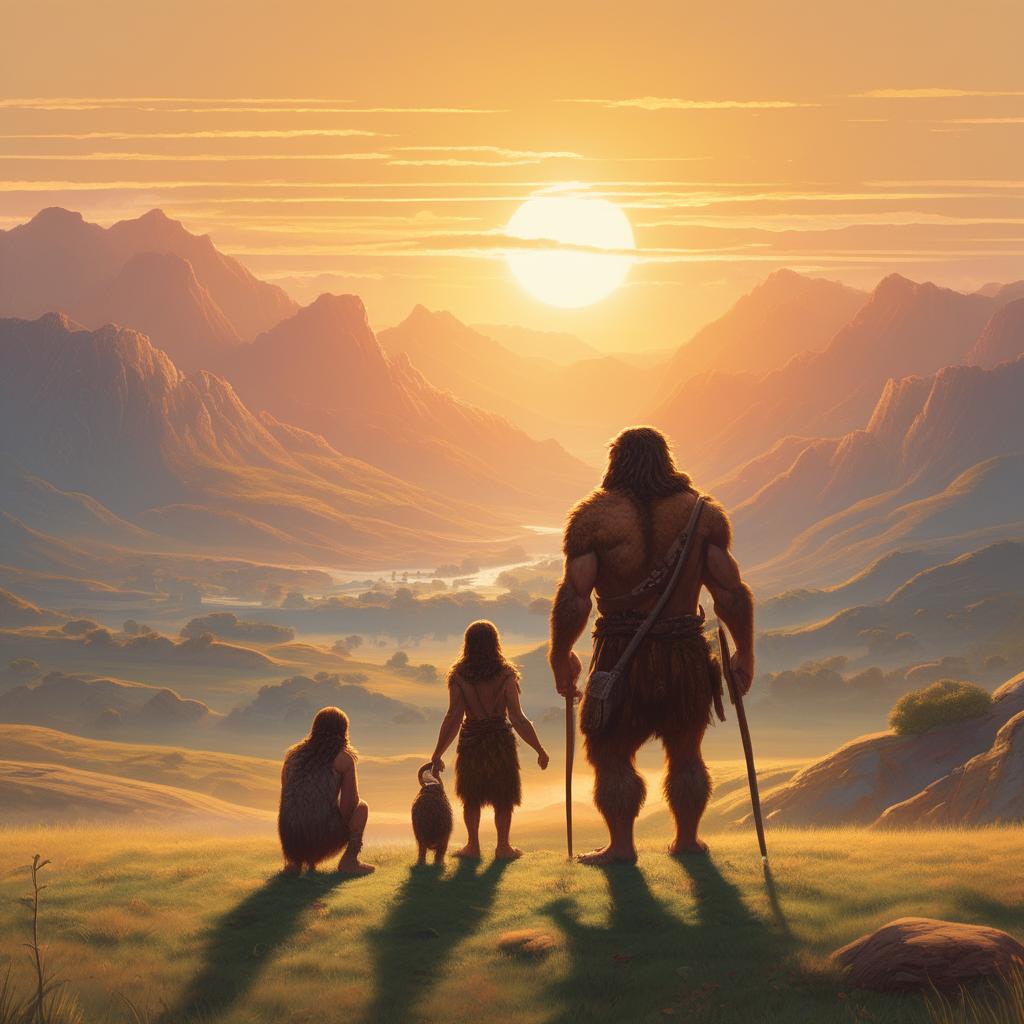
The Ice Age cast its relentless grip over Earth, a frozen expanse both brutal and breathtaking. For the Neanderthals, this was home—a landscape they had mastered over countless generations. Small, tightly knit groups moved through the tundras and forests, their survival rooted in intimate knowledge of the land, the rhythms of its seasons, and the unspoken bonds they shared. But even their sharp senses and honed instincts could not prepare them for what was to come.
When the Elymians first appeared, their arrival was marked not by violence but by quiet awe. Hovering in silence, their sleek scout craft glimmered faintly, blending into the twilight sky. To the Neanderthals, these beings seemed otherworldly: taller than most, slender and luminous, their large reflective eyes glinting like stars. Their presence disrupted the fragile balance of Neanderthal life. Were these glowing figures gods come to bless the hunt? Or spirits, harbingers of doom?


Two Perspectives
The Neanderthals’ World
The Neanderthals viewed the world through a lens of survival. The environment was unforgiving, their lives shaped by the cycles of scarcity and abundance. Yet, they were more than mere survivors. They were storytellers, artists, and ritualists, carving meaning into their existence through symbols, songs, and ceremonies. The sudden appearance of the Elymians challenged their understanding of the world. The strangers’ glowing tools and silent movements seemed unnatural, sparking both fear and fascination.
The Elymians’ Mission
For the Elymians, this was a scouting mission like countless others. They had studied Earth’s lifeforms from a distance for millennia, intrigued by its rich biodiversity and the emergence of intelligent species. The Neanderthals, with their symbolic thinking and social cohesion, were a living echo of the Elymians’ distant past. But with curiosity came caution. The Elymians had strict orders: observe but do not interfere. Yet, as they walked among the Neanderthals, the question lingered—how could they coexist without disrupting the delicate balance of this world?
The First Encounter
The initial meeting began not with words but with silent observation. From the shadows of a dense forest, a group of Neanderthals tracked the Elymians, their movements slow and deliberate. They had never seen such beings before—tall and graceful, their forms faintly glowing in the dim light. The Elymians moved with purpose, collecting samples from the earth and scanning the air with handheld devices that pulsed with an otherworldly energy.
Key Scene
From the safety of the treeline, the Neanderthals crept closer, their spears gripped tightly. One of them, Braka, the tribe’s elder and shaman, raised his hand to halt the group. His deep-set eyes watched as an Elymian figure stepped forward. Lyra, a scientist, lowered her scanning tool and turned toward the forest. Her glowing eyes met Braka’s, and for a moment, there was silence. Slowly, she knelt and placed a small, luminous object on the ground—a gesture of peace.
The Neanderthals hesitated. It was Mira, a young girl from the group, who broke the tension. She stepped forward, clutching a carved bone—a symbol of her people’s resilience. With trembling hands, she placed it beside Lyra’s offering. Lyra smiled softly, understanding the significance of the exchange. This was no longer an observation. It was a connection.
Points of Tension
-
Resource Competition
The Neanderthals, already struggling to survive, saw the Elymians as potential rivals. Strange tools and devices used to analyze the land could inadvertently disrupt hunting grounds or sacred sites. -
Cultural Misunderstandings
- The Elymians’ glowing technology and intricate glyphs were misinterpreted as magical or threatening.
- The Neanderthals’ territorial instincts clashed with the Elymians’ exploratory nature, creating moments of defensiveness and aggression.
-
Fear of the Unknown
Survival instincts made the Neanderthals wary of these new beings, leading to moments of tension and mistrust. The Elymians, despite their advanced knowledge, were unprepared for the unpredictability of Neanderthal behaviour.
Opportunities for Connection
Despite these challenges, both species shared profound commonalities.
-
Shared Symbolism:
The Neanderthals’ carvings and rituals resonated with the Elymians’ own cultural practices. Their mutual appreciation for storytelling, music, and shared ceremonies created moments of unexpected harmony. -
Exchange of Knowledge:
The Neanderthals taught the Elymians practical survival skills: tracking, fire-making, and understanding Earth’s seasonal cycles. - The Elymians introduced non-invasive tools, such as healing devices and ways to preserve food, enhancing the Neanderthals’ quality of life.
-
Personal Bonds:
Lyra’s fascination with Braka’s spiritual practices led to quiet moments of learning and respect. Similarly, young Neanderthals, like Mira, were drawn to the Elymians’ glowing crystals and devices, sparking curiosity and tentative friendships.
The Aftermath
The encounter left a lasting impact on both species:
-
For the Neanderthals:
Stories of glowing beings became part of their oral traditions, evolving into myths of gods or spirits. Some tribes incorporated Elymian-inspired symbols into their rituals, while others shunned the strangers as omens of misfortune. -
For the Elymians:
The experience forced them to grapple with the ethical implications of their presence on Earth. They saw in the Neanderthals both the fragility and strength of intelligent life, a mirror to their own history. The encounter inspired a deeper commitment to non-interference, yet it also planted the seeds of a question that would echo through their species: could they truly remain observers, or did they have a duty to guide?
A Glimpse of What’s to Come
This first meeting was only the beginning. The Elymians, though reluctant to interfere, could not ignore the significance of their connection with Earth’s inhabitants. For the Neanderthals, these encounters became the foundation of legends, shaping the way they saw the heavens and the beings who walked among them. And for Lyra, Mira, and Braka, this moment of quiet exchange—a glowing crystal for a carved bone—marked the first step toward a bridge between two worlds.
(Discover more in the full book, coming soon! Stay tuned for additional chapter previews and updates.)